Blog > Garage Doors
Garage Doors That Work in Utah Weather: What to Know Before You Buy
June 22, 2026 • 5 min read
Garage Doors · Utah Home Improvement
Garage Doors That Work in Utah Weather: What to Know Before You Buy
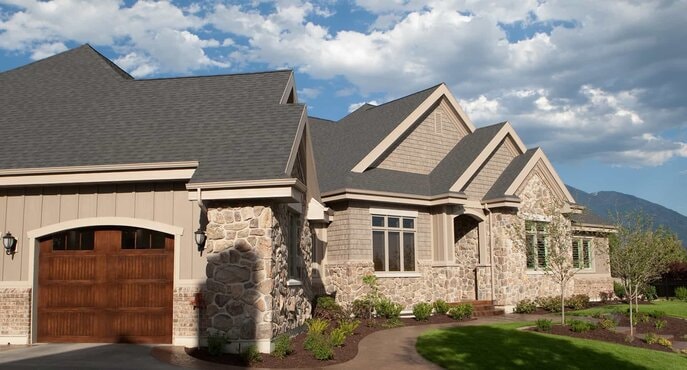
Utah's garage door takes more punishment than almost any other part of the house. In St. George, summer temperatures push past 110°F and UV radiation bleaches and warps materials that would hold up fine in milder climates. In Salt Lake Valley and Utah County, a single winter can bring below-zero cold snaps, heavy snow loads, and rapid freeze-thaw cycles. In Roosevelt and Vernal, strong canyon winds are a year-round reality. The garage doors that hold up here need to be chosen for Utah conditions, not just catalog appeal.
This is not a small purchase. A garage door replacement typically represents one of the more visible exterior upgrades a homeowner makes, affecting curb appeal, energy efficiency, and daily function all at once. Getting it right means understanding how climate, material, insulation, and hardware interact before you commit.
In this article
Why Utah's Climate Is Harder on Garage Doors Than MostNorthern Utah: Cold, Snow, and Freeze-Thaw StressSouthern Utah: Heat, UV, and Thermal ExpansionCentral Utah and the Basin: Wind and Temperature SwingsMaterial Choices: What Holds Up and What Doesn'tInsulation: More Than a Comfort UpgradeHardware and Springs: The Part Most Homeowners OverlookWhat Jones Paint & Glass Carries and How the Process Works
Why Utah's Climate Is Harder on Garage Doors Than Most
Most of the continental United States deals with one primary seasonal challenge. Utah deals with several, often at the same address. The Wasatch Front gets genuine winter cold with heavy snowfall, then summer heat that can strain steel panels. The southern part of the state bakes in desert conditions that crack and fade finishes far faster than the manufacturer's marketing photos suggest. A garage door rated for average American conditions may simply age faster here.
Beyond temperature, UV exposure is a serious factor. Utah has some of the highest UV index readings in the country, particularly in southern and central regions. Fading, warping, and finish breakdown are accelerated accordingly. Anyone shopping for a garage door in Utah should ask specifically about UV-resistant finishes, not just assume a standard exterior rating is adequate.
Northern Utah: Cold, Snow, and Freeze-Thaw Stress
Along the Wasatch Front, from Provo and American Fork north through the Salt Lake Valley, the primary concern is cold-weather performance. Garage door panels contract in the cold, seals harden, and springs lose tension faster in freezing temperatures. An improperly sealed door in this region doesn't just let in cold air; it turns the garage into a refrigerator and forces the home's heating system to work harder.
Freeze-thaw cycling is particularly tough on doors with poor bottom seals or misaligned tracks. Water gets in, freezes, expands, and slowly damages the structure. A well-insulated door with a quality bottom seal is the right choice for Provo, American Fork, Payson, and the surrounding communities.
Southern Utah: Heat, UV, and Thermal Expansion
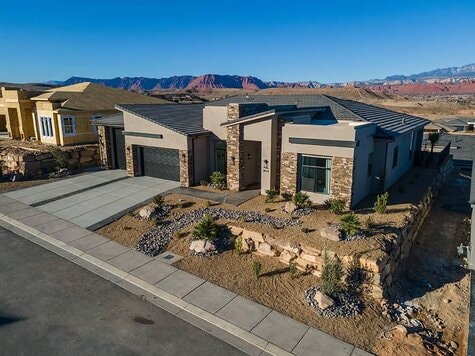
St. George and Cedar City sit in a different climate reality. St. George especially faces extreme summer heat, intense sun, and very low humidity. Steel doors heat up significantly in direct sun and expand with temperature changes. A door installed in January may fit perfectly and operate differently by August if the hardware and clearances weren't set with thermal expansion in mind.
Finish durability is the other pressing concern in southern Utah. A painted steel door that lasts 15 years in a milder climate may show fading and surface degradation in half that time without a UV-resistant factory finish. Homeowners in St. George and Cedar City should ask specifically about this before signing off on any purchase.
Central Utah and the Basin: Wind and Temperature Swings
Vernal and Roosevelt sit in the Uinta Basin, where wind is a constant presence and temperatures swing dramatically between seasons. A garage door in this environment faces mechanical stress from repeated wind pressure, along with temperature ranges that can span 100 degrees across the year.
Heavier-gauge panels and torsion spring systems handle wind loading better than lighter-duty alternatives. This is not a region where the lightest, most economical door is the right long-term decision. A slightly heavier investment in panel gauge and spring hardware pays off in reduced service calls and longer useful life.
Insulation: More Than a Comfort Upgrade
An insulated garage door is a meaningful energy efficiency upgrade for Utah homes. In attached garages, an uninsulated door effectively creates a weak link between the conditioned home interior and the outside temperature. During a northern Utah winter, that translates directly to higher heating bills and a colder first floor.
Insulation is measured in R-value: higher numbers mean more thermal resistance. Utah's temperature extremes make a reasonable R-value worth prioritizing. Even in St. George, where winter is mild, summer heat transfer through an uninsulated door adds cooling load to the home.
The right insulation spec depends on the climate zone, how the garage is used, and whether it's attached or detached. Jones Paint & Glass can walk through those specifics during a free in-home estimate.
Hardware and Springs: The Part Most Homeowners Overlook
Springs and hardware are where most garage door failures actually happen. Torsion springs in particular wear out over time, and in Utah's cold winters, they're under additional stress because metal loses elasticity in low temperatures. Upgrading to springs rated for a higher cycle count is a reasonable investment for any household that uses the garage as a primary entry point.
Track alignment, roller quality, and weather seal condition all affect how the door performs through seasonal changes. These are not glamorous details, but they determine whether a door that looks great on day one still operates quietly and seals well five years later.
What Jones Paint & Glass Carries and How the Process Works
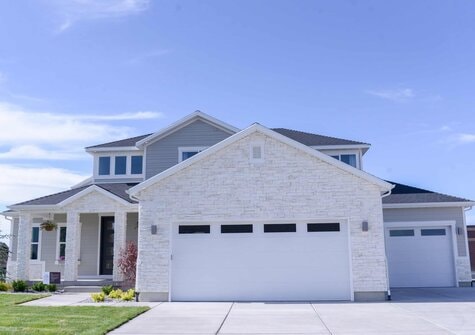
Jones Paint & Glass carries Wayne Dalton and Martin garage doors, two brands with strong reputations for quality hardware and finish durability. Both lines include options suited to Utah's range of climate zones, from high-insulation doors for the Wasatch Front to heat-resistant finishes for St. George and Cedar City. Financing is available on most garage door projects, making it easier to choose the right door rather than the cheapest one available. Contact us for current terms.
The process starts with a free in-home estimate. Jones Paint & Glass has been helping Utah homeowners make decisions like this since 1938, and the goal is always the same: give people the information they need to choose well. That means being direct about which products hold up in specific Utah climate zones and which don't. Professional installation is included, handled by experienced installers who know how to set hardware, clearances, and seals correctly for the local conditions.
Seven Utah locations cover the state, from Vernal and Roosevelt in the northeast to St. George in the southwest. Wherever a homeowner is in Utah, a Jones Paint & Glass location is close enough to visit, touch product samples, and ask the questions that actually matter before buying.